Repair Insights
Autoclave Not Sterilizing? What Dental Clinics Should Check First
When a dental autoclave is not sterilizing properly, the problem can quickly affect clinic workflow, patient safety confidence, instrument readiness, and daily appointment capacity. A cycle may finish, but instruments may not be properly processed. The unit may show cycle errors, weak pressure, temperature instability, wet loads, or repeated failed sterilization results.
When a dental autoclave is not sterilizing properly, the problem can quickly affect clinic workflow, patient safety confidence, instrument readiness, and daily appointment capacity. A cycle may finish, but instruments may not be properly processed. The unit may show cycle errors, weak pressure, temperature instability, wet loads, or repeated failed sterilization results.
For dental clinics, sterilization equipment is operationally critical. If the autoclave becomes unreliable, the clinic may face delayed procedures, unavailable instruments, repeated cycles, staff pressure, and uncertainty about whether the equipment is safe to keep using.
A proper repair decision should start with symptoms, risk, and technical diagnosis. Replacing equipment too early can create unnecessary cost, while delaying inspection can make the fault more expensive or disruptive.
When This Equipment Problem Affects Daily Operations
For dental clinics, sterilization equipment is operationally critical. If the autoclave becomes unreliable, the clinic may face delayed procedures, unavailable instruments, repeated cycles, staff pressure, and uncertainty about whether the equipment is safe to keep using.
For professional clinics, centers, hospitals, and technical operations, equipment downtime is not only a device issue. It affects schedules, revenue, staff pressure, service quality, and customer confidence.
Common Symptoms to Watch For
The issue may appear suddenly or gradually. These symptoms should be recorded before sending the equipment for technical review.
- Cycle completes but sterilization result is questionable
- Autoclave does not reach required temperature
- Pressure does not build correctly
- Wet packs or wet instruments after cycle
- Repeated cycle failure or error codes
- Door seal leakage or steam escaping
- Unusual noise during cycle
- Longer cycle time than normal
- Burning smell, overheating, or electrical instability
- The same issue returns after previous service
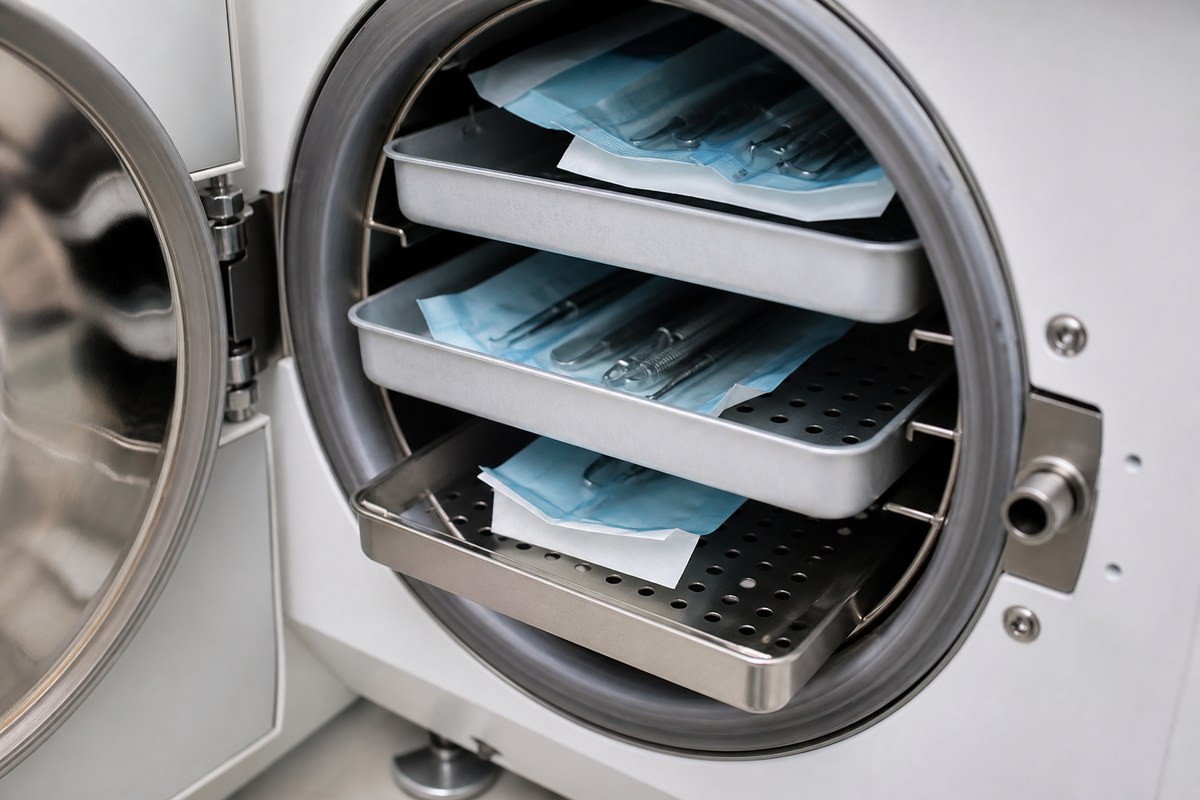
Autoclave sterilization problem? If your dental autoclave is showing failed cycles, wet loads, pressure problems, or repeated errors, send the details to Emporium Point’s technical team for an initial review.
Possible Causes Behind the Failure
Temperature or Pressure Instability
Sterilization depends on stable temperature and pressure. If sensors, heating elements, pressure switches, valves, or control systems are unstable, the cycle may fail or complete without reliable performance.
Door Seal and Chamber Issues
A worn gasket, damaged seal, blocked drain, dirty chamber, or poor door closure can affect pressure, steam control, and drying performance.
Solenoid Valve or Vacuum Problems
Class B autoclaves rely on controlled steam, air removal, and pressure management. Valve problems, vacuum weakness, or blocked pathways can cause cycle failure and wet loads.
Control Board or Power Faults
If the autoclave restarts, shows inconsistent errors, or fails during specific cycle stages, the issue may involve power supply, control boards, sensors, or internal electronics.
Risks of Ignoring the Problem
Ignoring repeated faults may turn a repairable issue into a larger operational and financial problem. The risks are higher when the equipment is used daily or directly supports revenue-generating services.
- Instruments may not be ready when needed
- Repeated cycles waste staff time and energy
- Minor seal or sensor faults may become larger failures
- Poor sterilizer performance can disrupt clinic scheduling
- Replacement may be recommended too early without diagnosis
- Unresolved issues can return after temporary repair
Basic Checks Before Requesting Repair
Before requesting professional repair, your team can perform a few safe checks. These checks do not replace technical diagnostics, but they help provide better information to the repair team.
- Confirm the selected cycle matches the load type
- Check whether the door closes tightly
- Inspect the gasket for visible wear or leakage
- Make sure the chamber is clean and not overloaded
- Record the exact error code or failed cycle stage
- Check whether loads are wet after cycle completion
- Take photos or videos of display messages
- Note the brand, model, cycle type, and service history
Do not open internal covers, force damaged connectors, bypass safety systems, or keep operating equipment that shows burning smell, electrical instability, overheating, fluid leakage, or repeated shutdown.
When Professional Repair Is Needed
Professional repair review is recommended when the fault repeats, affects normal operation, creates safety or reliability concerns, or has already been checked elsewhere without a clear solution.
- The autoclave repeatedly fails sterilization cycles
- Temperature or pressure is unstable
- Wet loads continue after correct loading
- Steam leaks from the door or gasket area
- The unit shows repeated error codes
- The issue was checked before but returned
- The clinic depends on the autoclave for daily instrument flow
How Emporium Point Reviews Autoclave Repair Cases
Need Dental Autoclave Technical Review?
Need a technical diagnosis before replacing your autoclave? Request a repair review and share brand, model, cycle details, photos, videos, and error messages.
Emporium Point follows a diagnostics-first workflow. The technical team reviews the equipment type, brand, model, symptoms, urgency, photos, videos, and any previous repair history before recommending the next step.
- Submit equipment details
- Upload photos or short videos
- Initial technical review
- Pickup or drop-off coordination where applicable
- Diagnosis and repair recommendation
- Repair, testing, and validation
- Return support and next-step guidance
For eligible repair requests, free pickup and delivery may be arranged across the UAE. This helps businesses avoid complicated transport arrangements for sensitive or operationally critical equipment.
FAQ
Can Emporium Point review dental autoclave sterilization problems?
Yes. Emporium Point can review selected dental autoclave and sterilizer issues, including temperature, pressure, seal, valve, cycle, and performance-related faults.
Should a dental clinic keep using an autoclave that is not sterilizing properly?
If sterilization performance is unclear, repeated, or unstable, the unit should be technically reviewed before continued use for critical instrument processing.
What information should we send before repair?
Send the brand, model, cycle type, error messages, photos or videos, sterilization result, and any previous service history.
Can wet loads be related to autoclave failure?
Yes. Wet loads may be related to loading, drying, seal condition, vacuum performance, drain blockage, sensor issues, or cycle-related faults.
Do you provide pickup and delivery?
Free pickup and delivery may be available across the UAE for eligible repair requests and supported equipment.
Request Technical Review
If your dental autoclave is not sterilizing, showing failed cycles, leaving wet loads, leaking steam, or repeating the same fault, send the details to Emporium Point for technical review.
Share the equipment type, brand, model, symptoms, photos, videos, urgency level, location, and previous repair history. Emporium Point’s technical team will review the case and guide you toward the most practical next step.
Request Technical Review
WhatsApp Technical Team
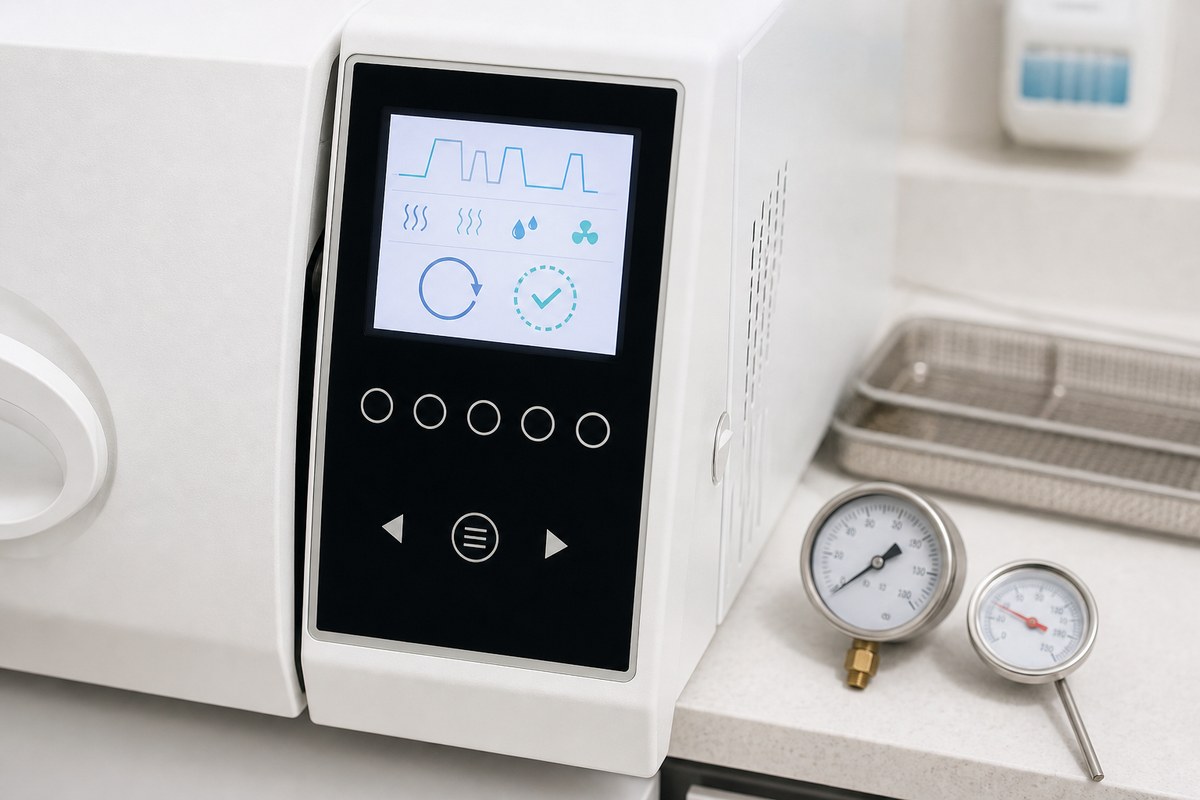
Request Dental Autoclave Repair in the UAE
Send your autoclave details now. Emporium Point provides technical repair review, diagnostics, and free pickup and delivery across the UAE for eligible repair requests.